

Dear readers,
Anyone planning a trip today can access an almost overwhelming amount of information within minutes. Search engines, review platforms, videos, travel blogs, podcasts and, increasingly, AI chatbots provide inspiration, planning support, practical recommendations and booking options. Yet traditional printed guidebooks are far from obsolete. Although sales of travel books declined by around 8 per cent in 2024 compared with the previous year, the continuous publication of new and updated editions by major travel publishers and specialist presses suggests that print continues to play an important role in travel planning.
What all these sources have in common is that they communicate knowledge about destinations, shape images and tell stories. These representations, however, are rarely objective or neutral. In many cases, they reflect an outsider’s perspective. In this summer edition, we therefore explore different forms of knowledge production in tourism across both print and digital media and ask what responsibilities come with shaping travel information.
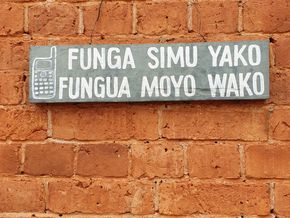
Henriette Seydel and Bernard Ntahondi discuss, in their interview on the “Decolonial Travel Guide Tanzania”, how local perspectives can be better integrated into travel content and why multilingualism plays a key role. Melanie Uth from the University of Potsdam examines how travel guidebooks shape ideas of what is worth seeing and how destinations, cultural heritage sites and landscapes are framed according to their tourism appeal.
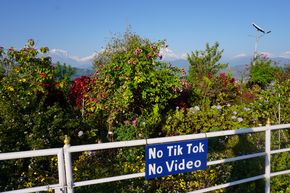
Turning to social media, Lea Thin analyses how platforms such as Instagram and TikTok shape travellers' expectations and examines the impacts of social media travel trends on destinations and local communities. Finally, Claudia Mitteneder and Susanne Eigermeier explore how the role of tour guides is evolving in the digital age and why personal guidance remains indispensable for understanding destinations and their social contexts.
We wish you an inspiring read and a wonderful summer – wherever your travels may take you.
![[Translate to english:] Tourismus in Yucatan](/fileadmin/tourismwatch/_processed_/a/7/csm_fernando-gago-IuYL3sEqAOk-unsplash_a1fb365600.jpg "Tourism in Yucatan, Mexico")
![[Translate to english:] Fernweh Fair Travel](/fileadmin/tourismwatch/_processed_/7/3/csm_fernweh_high-2496.853x480_65fd27f5ec.jpg)
![[Translate to english:] Markt Kathmandu](/fileadmin/tourismwatch/_processed_/3/4/csm_Markt_Kathmandu_3610705df8.jpg)
![[Translate to english:] 3 Sisters Adventure Trekking](/fileadmin/tourismwatch/_processed_/8/1/csm_jumla223.853x480_Three_Sisters_14c5a72b6b.jpg)